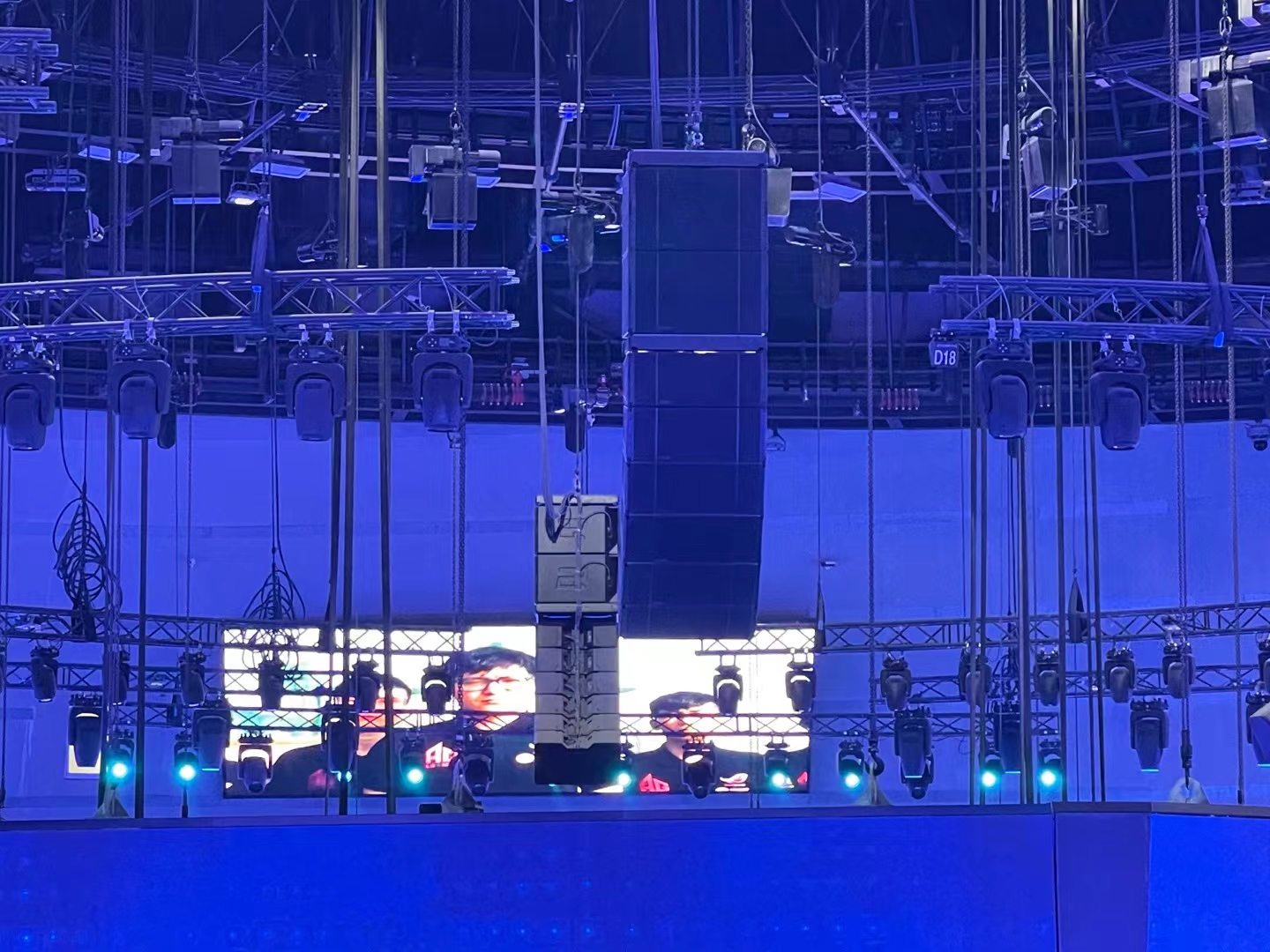
Lighting fixtures are one of the most important elements in any lighting project. Whether for commercial, industrial, residential, or public applications, selecting the right fixtures can directly affect the atmosphere, performance, energy use, and maintenance cost of the space. A good lighting fixture should not only provide sufficient illumination, but also match the practical and visual requirements of the project.
The first step in choosing lighting fixtures is understanding the purpose of the space. For office environments, fixtures should provide soft and even lighting to create a comfortable working atmosphere. LED panels and linear lights are often popular choices because they distribute light evenly and help reduce glare. For retail stores, spotlights and track lights are commonly used to emphasize featured products and create visual focus. In hotels and restaurants, decorative fixtures combined with warm ambient lighting can enhance the customer experience and make the space more inviting.
Another important factor is color temperature. Different projects require different lighting tones. Warm white light usually creates a relaxed and cozy atmosphere, making it suitable for hospitality, residential, and decorative spaces. Neutral white light is often used in offices, showrooms, and public areas because it offers a clean and natural look. Cool white light may be preferred in industrial or task-oriented environments where brightness and clarity are priorities. Choosing the correct color temperature helps improve both comfort and functionality.
Energy efficiency should also be considered when selecting lighting fixtures. LED lighting has become the preferred option in modern projects because it consumes less energy, lasts longer, and requires less maintenance than traditional lighting products. High-quality LED fixtures can help reduce operating costs while maintaining excellent performance over time. For large-scale lighting projects, this can make a significant difference in long-term savings.
Installation conditions are equally important. Indoor and outdoor applications require different types of fixtures. Outdoor fixtures must have suitable waterproof and dustproof ratings to handle changing weather conditions. Industrial environments may require stronger materials and impact-resistant designs. Ceiling height, wiring layout, and maintenance access should also be considered before finalizing fixture selection. A well-chosen fixture should fit the installation environment as well as the design concept.
In summary, choosing the right lighting fixtures requires a balance between aesthetics, technical performance, energy efficiency, and project conditions. A thoughtful fixture selection process can greatly improve the success of a lighting project, providing better lighting quality and stronger long-term value. For any project, investing time in selecting suitable fixtures is an important step toward achieving a reliable and attractive lighting solution.