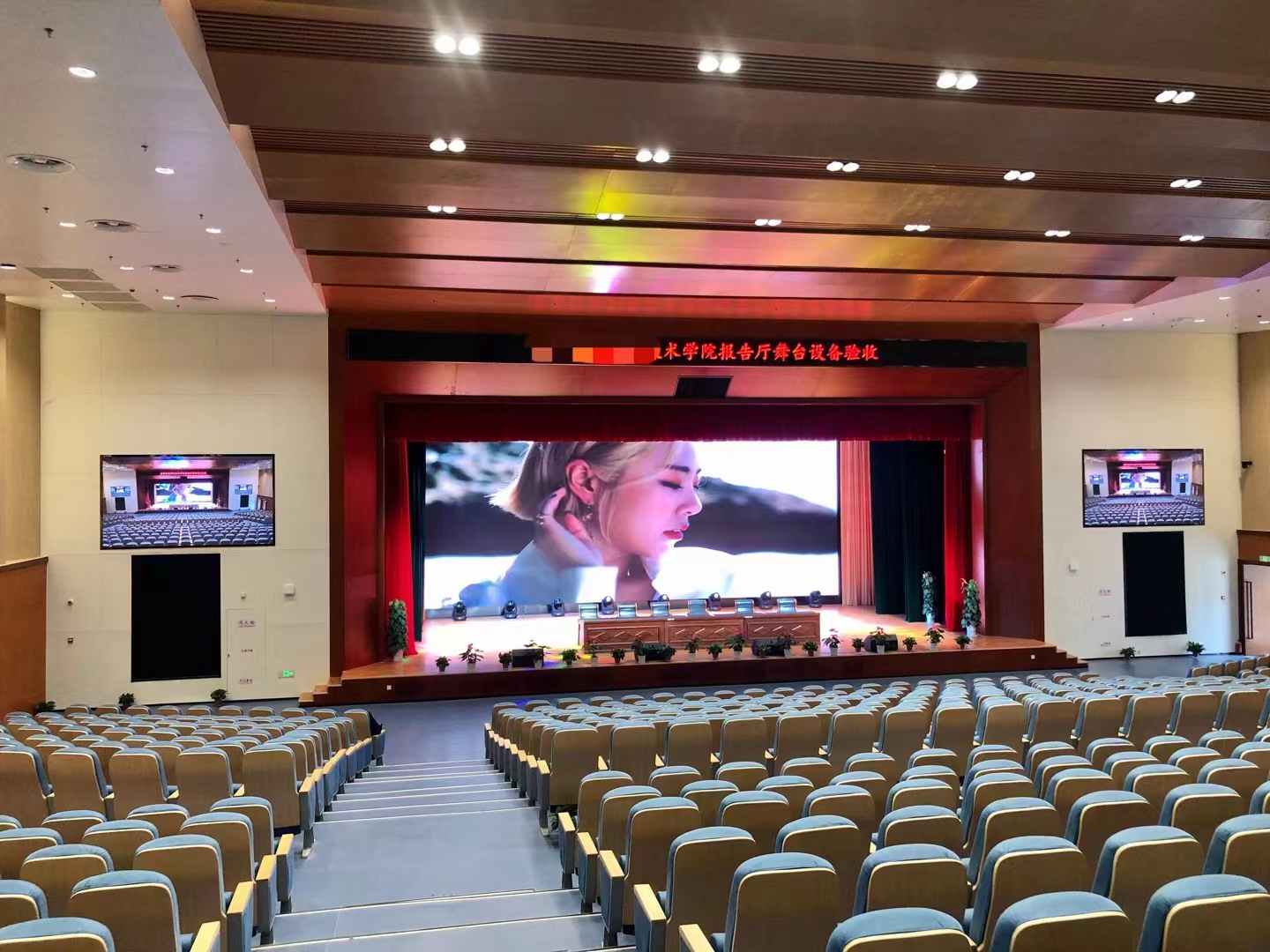
Lighting engineering plays an essential role in shaping modern commercial and public environments. It is not only about making a space bright enough for daily use, but also about improving functionality, visual comfort, atmosphere, and energy efficiency. From shopping malls and office buildings to hotels, museums, and outdoor plazas, professional lighting engineering helps create spaces that are practical, attractive, and user-friendly.
A well-designed lighting engineering plan starts with understanding the purpose of the space. Different environments require different lighting strategies. For example, office spaces need balanced and comfortable illumination to reduce eye strain and improve productivity, while retail stores often use layered lighting to highlight products and attract customer attention. In hospitality projects, lighting is used to build mood and warmth, helping guests feel relaxed and welcomed.
Another key part of lighting engineering is fixture selection. The right lighting fixtures can greatly influence the overall performance of a project. LED panel lights, downlights, track lights, wall washers, flood lights, and decorative fixtures all serve different purposes. Engineers and designers must consider beam angle, color temperature, installation method, power consumption, and maintenance needs when selecting products. Good fixture selection helps ensure the project achieves both aesthetic and technical goals.
Energy efficiency is also one of the major advantages of modern lighting engineering. With the development of LED technology and intelligent control systems, lighting projects today can reduce electricity consumption significantly compared with traditional systems. Motion sensors, dimming systems, and smart controls allow lighting to adapt to the environment and operating schedule, reducing waste and lowering long-term operating costs.
Safety and reliability are equally important. In public and commercial projects, lighting systems must comply with installation standards and performance requirements. Emergency lighting, outdoor waterproof fixtures, and durable materials all contribute to a safer and more dependable lighting solution. Professional lighting engineering ensures that every part of the system works together effectively while maintaining long service life.
In conclusion, lighting engineering is much more than a technical installation process. It is a combination of design, planning, technology, and product application. A successful lighting project can improve visual appeal, support user experience, save energy, and increase the overall value of a space. For businesses and property developers, investing in quality lighting engineering is a smart choice for long-term performance and customer satisfaction.